Modern Passive house construction solutions
- what is worth knowing?

The passive house is the future of construction, combining energy efficiency, comfort and ecology. In an era of rising energy prices and greater environmental awareness, more and more people are choosing to build a home that minimises energy consumption.

What solutions are worth implementing to ensure the home meets the highest efficiency standards?

What are the main passive house features?

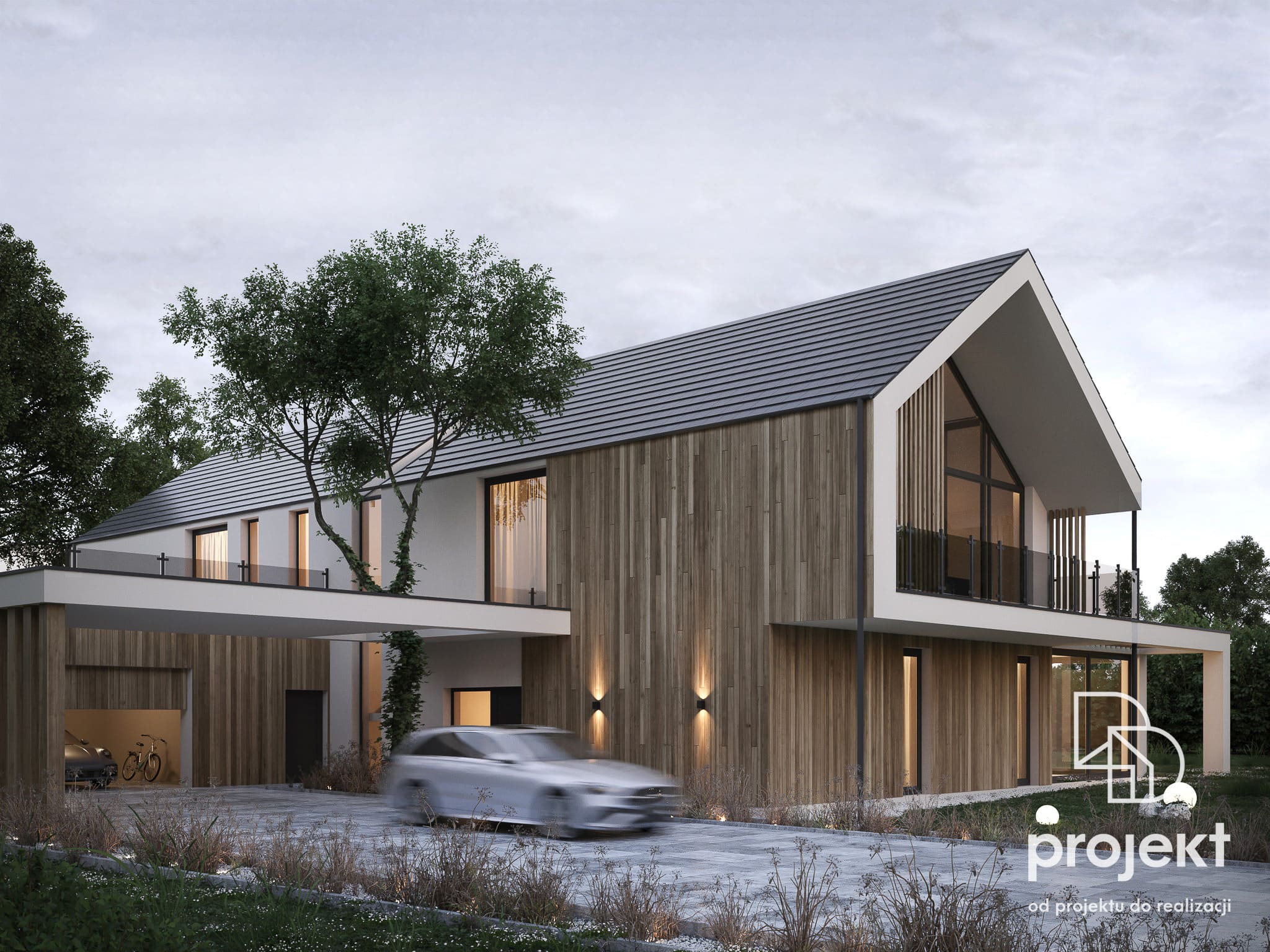
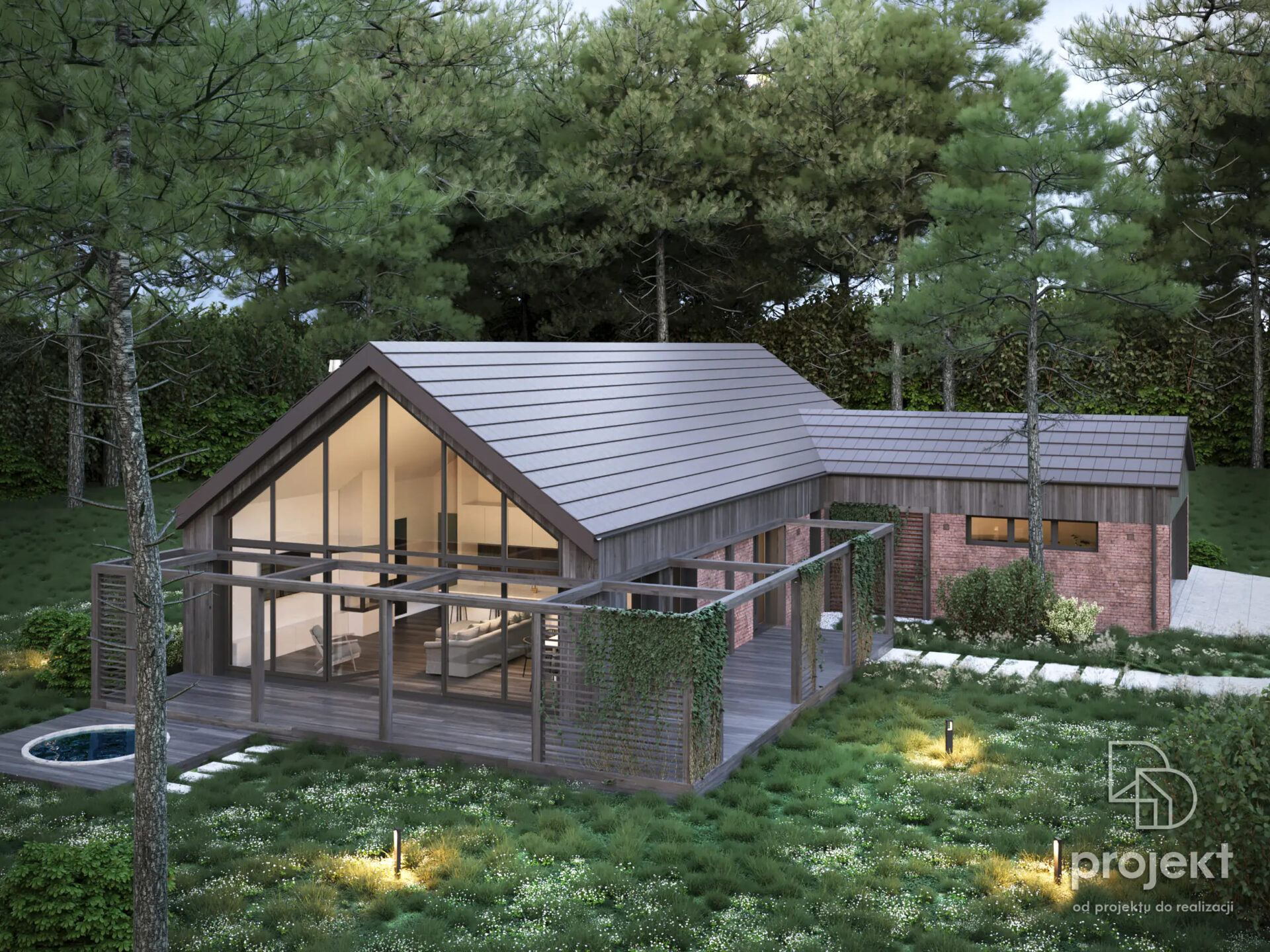
A passive house is characterised by minimal energy requirements for heating and cooling. Thanks to appropriate technologies, insulation and ventilation systems, the building is almost energy self-sufficient. Key features of a passive house are excellent thermal insulation, airtightness of the building and appropriate orientation with respect to the world. Thick insulation layers in the walls, roof and floor effectively eliminate heat loss, and the absence of thermal bridges prevents uncontrolled energy loss.

The appropriate positioning of the building, particularly the large glazing on the south side, allows maximum use of solar energy. In addition, the use of a ventilation system with recuperation improves the air quality in the house and allows heat recovery, while renewable energy sources such as photovoltaic panels or heat pumps significantly reduce the need for external energy sources.
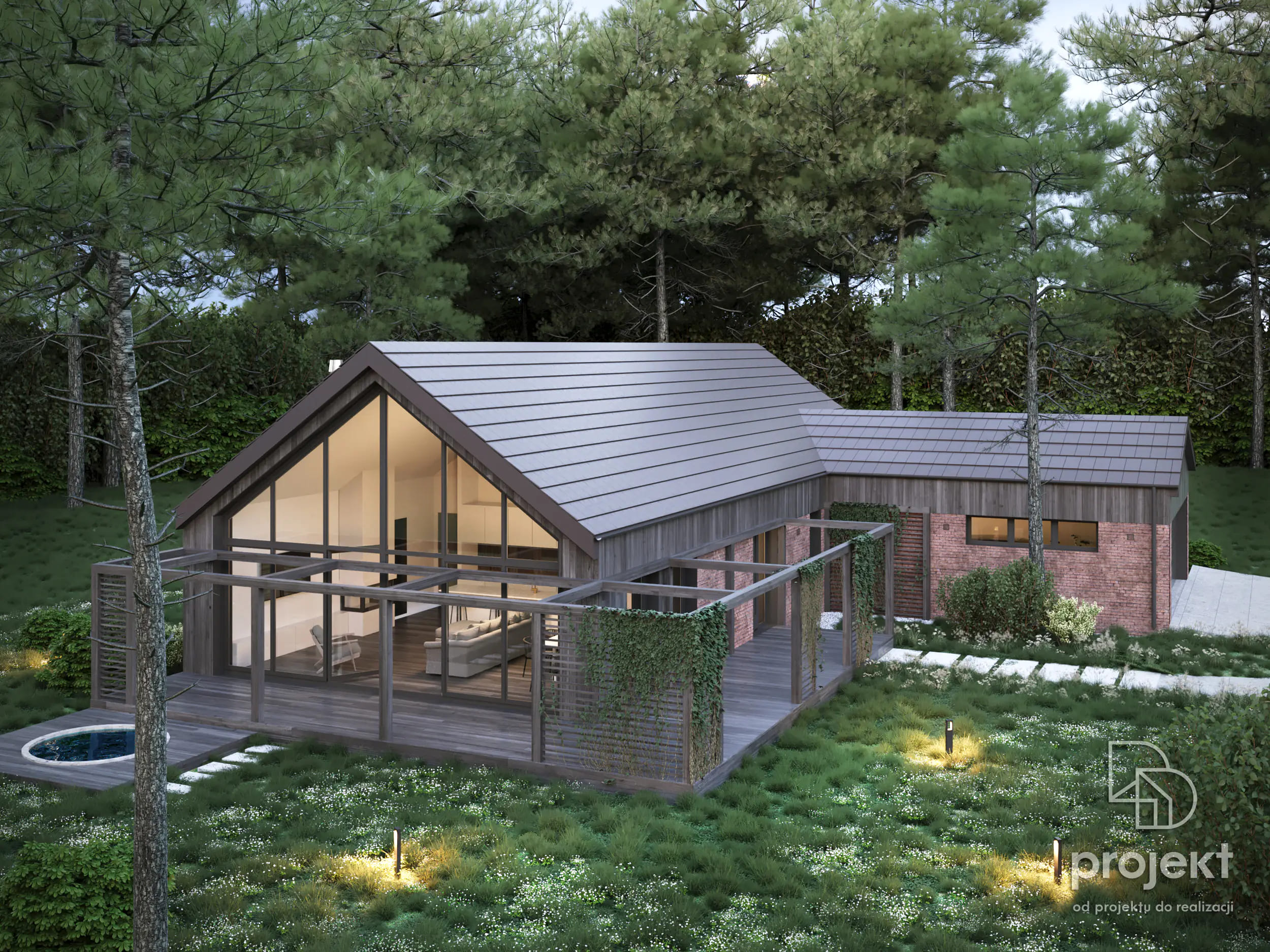
What technologies are used in the construction of passive houses?

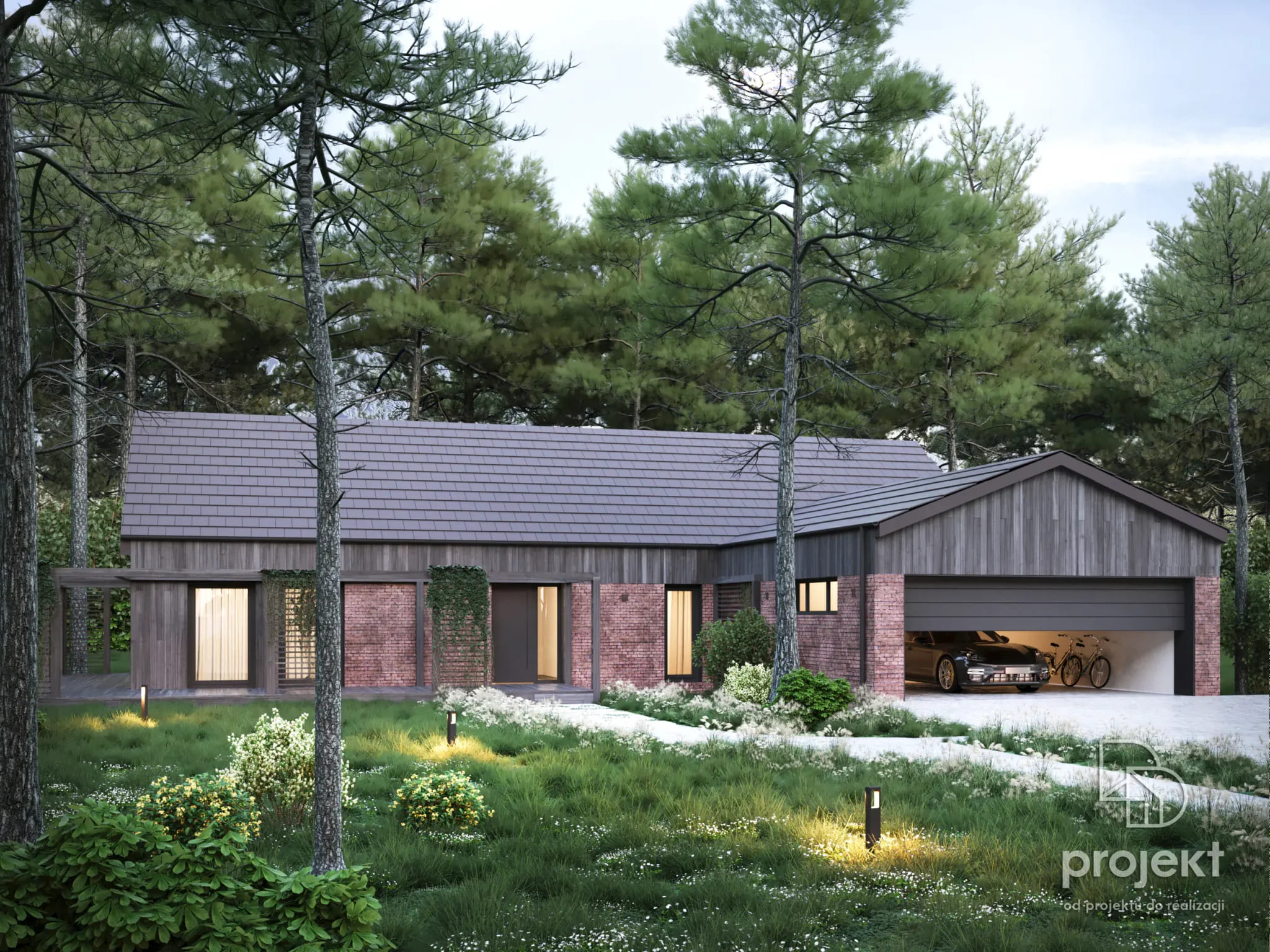
Modern passive houses use innovative technologies that increase energy efficiency. Modern materials and systems allow for even better optimisation of energy consumption. Modern technologies used in the construction of Passive Houses include Passive House windows and doors fitted with triple glazing with low emissivity coating, which provide excellent insulation.

An intelligent energy management system that automatically controls temperature, lighting and ventilation to optimise their operation is also an important element. Materials with high heat accumulation, such as concrete or clay bricks, help to stabilise internal temperatures, while the use of green roofs and façades helps to improve a building's insulation and heat retention capacity.

What are the costs building a passive house and is it worth it?

Building a passive house is more expensive than a traditional house, but the energy savings compensate for the initial expense. The investment pays for itself through lower heating and electricity bills. Factors affecting the cost of building a passive house include, among other things, the insulation materials and window frames, which must be of high quality, which affects the price of the investment.

In addition, a recuperation system and renewable energy sources involve higher initial expenditure, but allow significant savings over the long term. Specialised architectural design tailored to the requirements of passive construction also increases costs, although subsidies and tax reliefs are often available to support this type of investment.

Satisfaction
begins with a meeting

What are the advantages Passive house living?

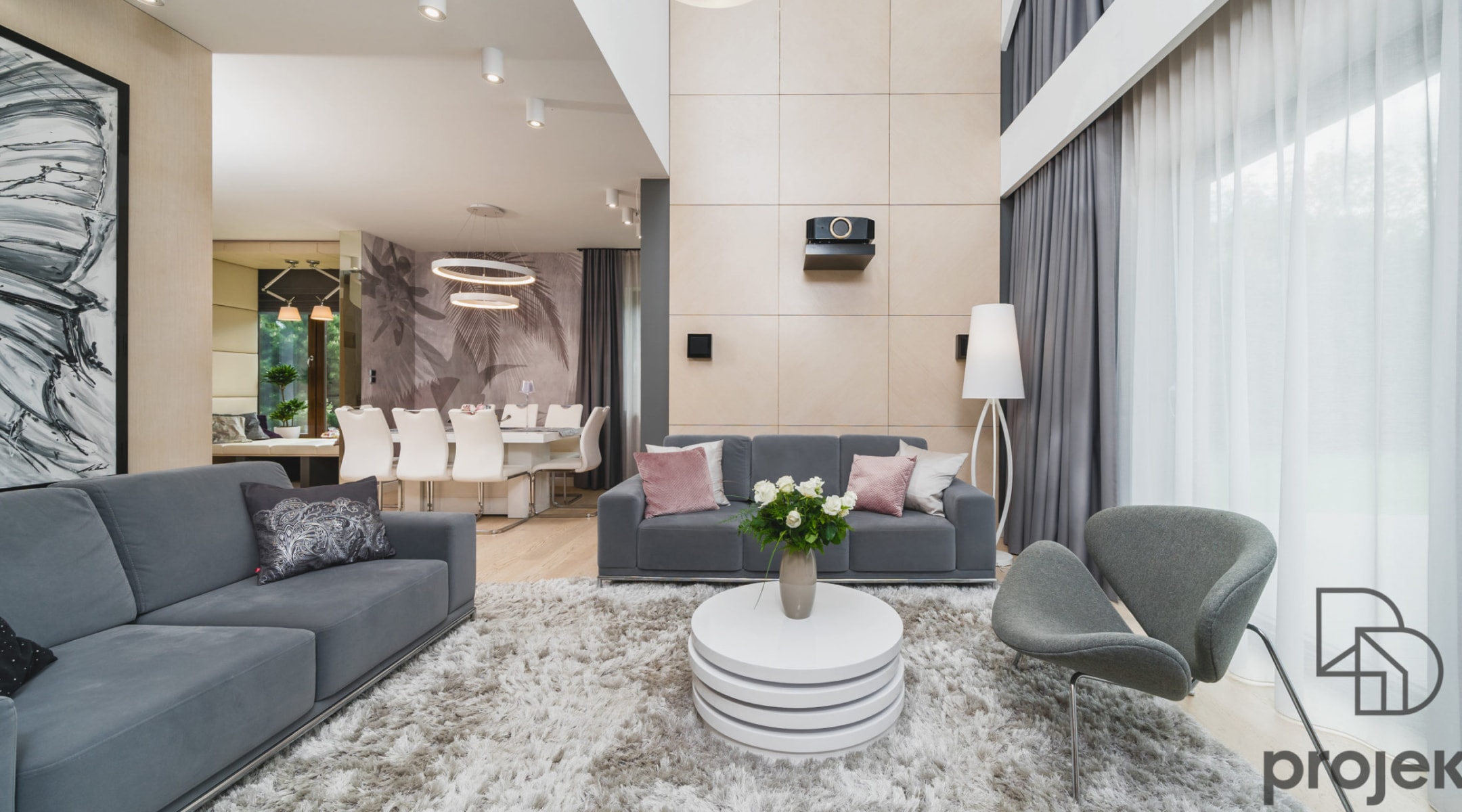
A passive house stands for comfort, health and ecology. Its occupants enjoy fresh air, stable temperatures and low energy bills. The main advantages of a passive house are the healthy microclimate provided by the recuperation system, which takes care of a constant supply of fresh air, eliminating dampness and pollutants. Thick walls and high-quality windows effectively dampen outside noise, ensuring silence and acoustic comfort.

Passive house owners can also enjoy low maintenance costs as their energy requirements are minimal. In addition, the growing interest in energy-efficient properties means that passive houses are increasing in market value, making them a profitable investment for the future.


However, if you prefer to entrust this task to professionals to avoid mistakes and the stress of renovation, we will be happy to carry out a comprehensive detailed design project for you, including professional visualisations that will allow you to see the end result even before the work begins. We will take care of everything - from the design and ordering of materials, to coordinating the work schedule and selecting accessories and additions.

Get in touch with us!

FAQ - frequently asked questions

  1. Can a passive house have a traditional architectural form?

    Yes, although proper window placement and the use of modern technology are key.

  2. What kind of heating is used in a passive house?

    Most commonly heat pumps, underfloor heating or solar-based systems.

  3. Does building a passive house require a larger plot of land?

    No, but it is important to position the building in relation to the sides of the world to optimise solar gain.

  4. How long does it take to build a passive house?

    Similar to the construction of a traditional house, that is about 6-12 months, depending on the technology.

  5. Will a passive house work in the Polish climate?

    Yes, passive houses are adapted to cooler conditions and provide comfort all year round.

Request a quote