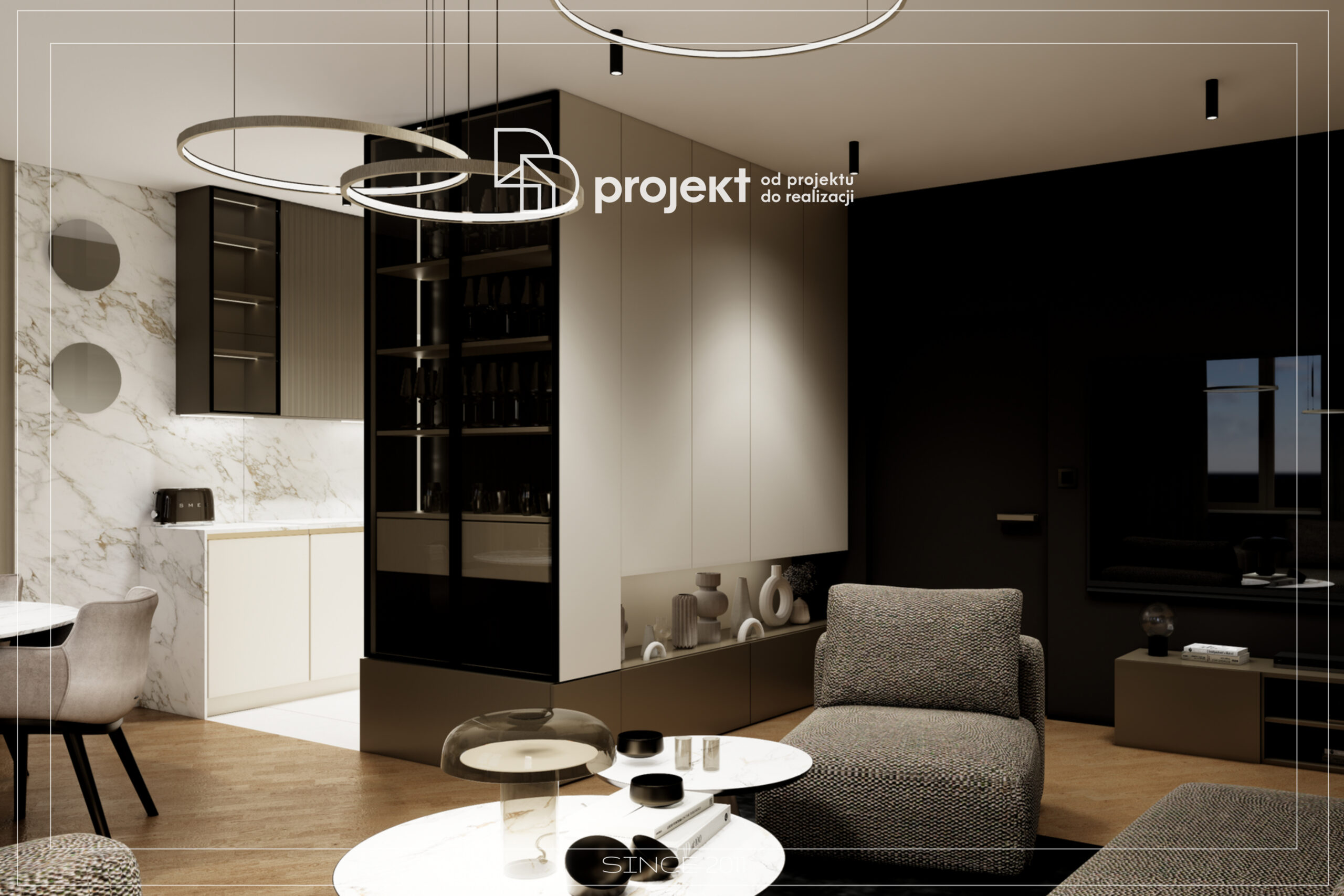
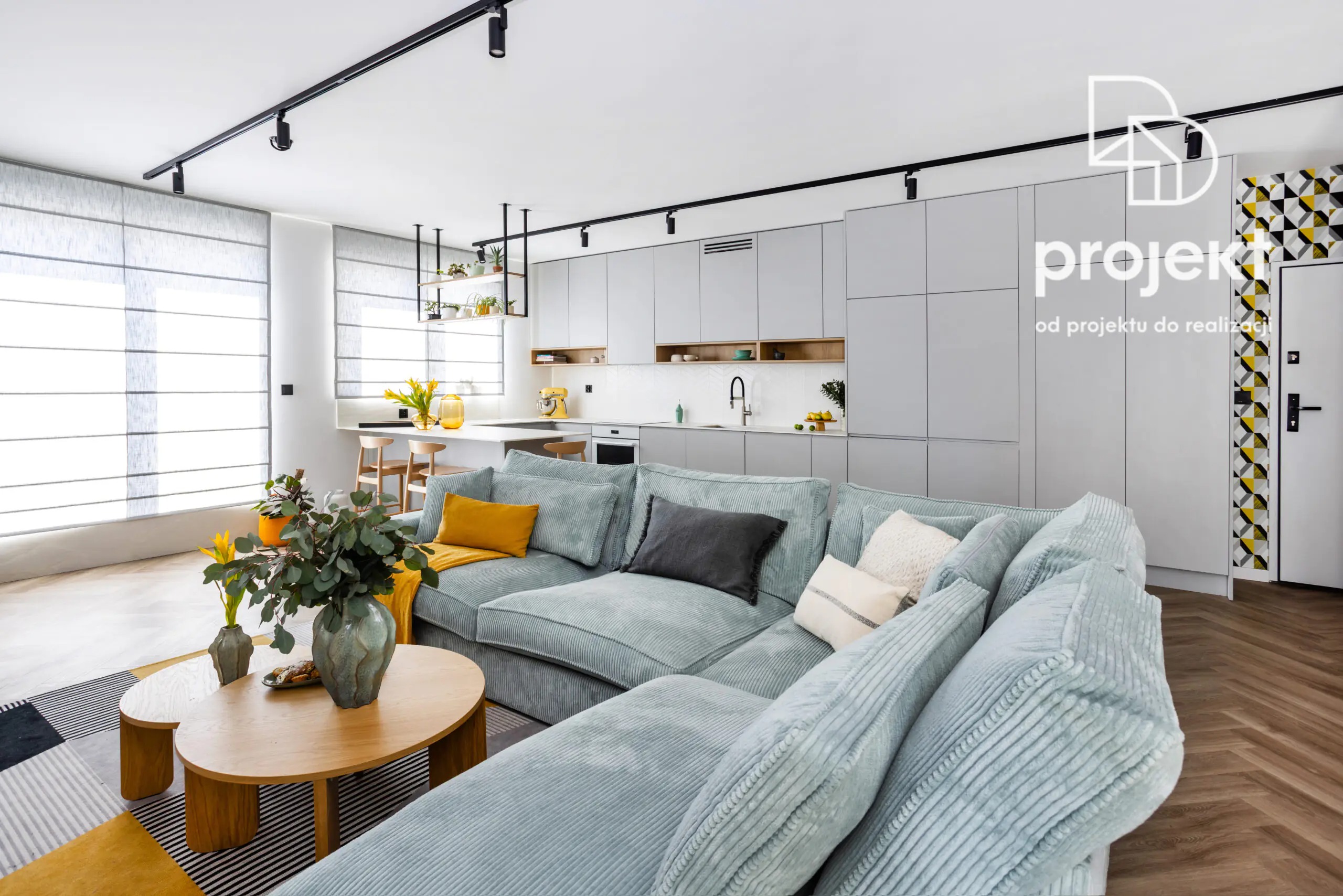
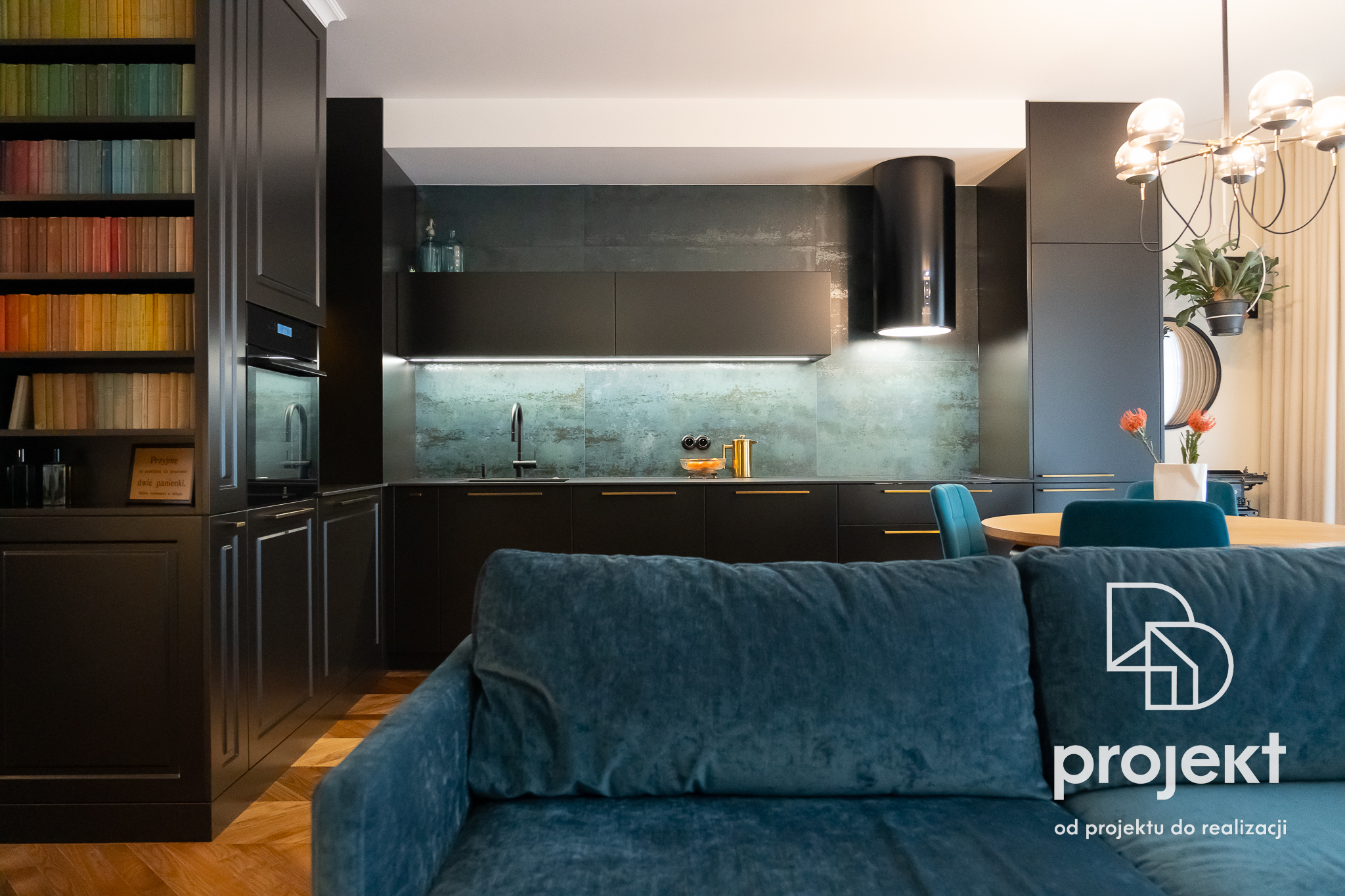
What is an open-plan kitchen with living room - and why is it so popular?
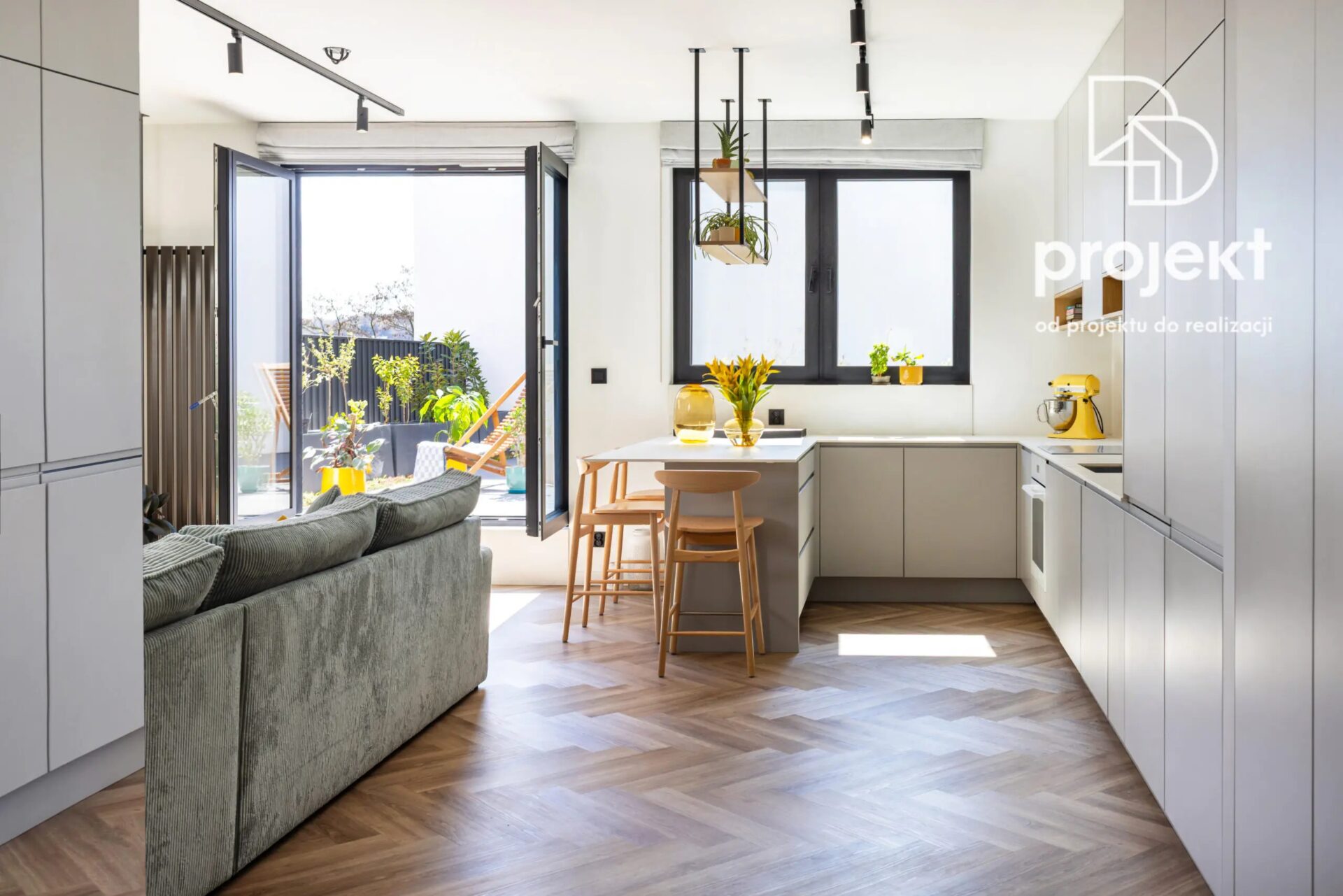
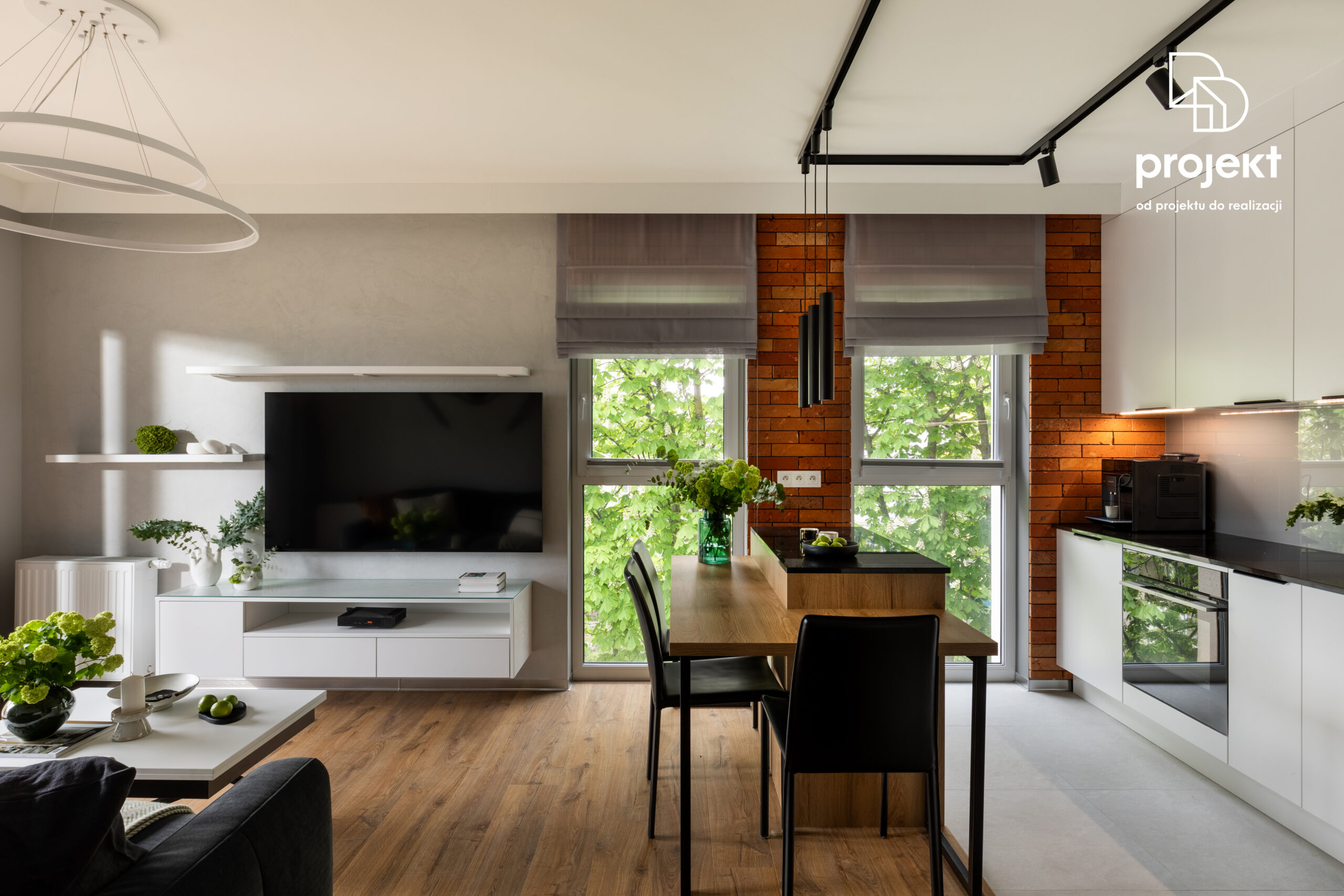
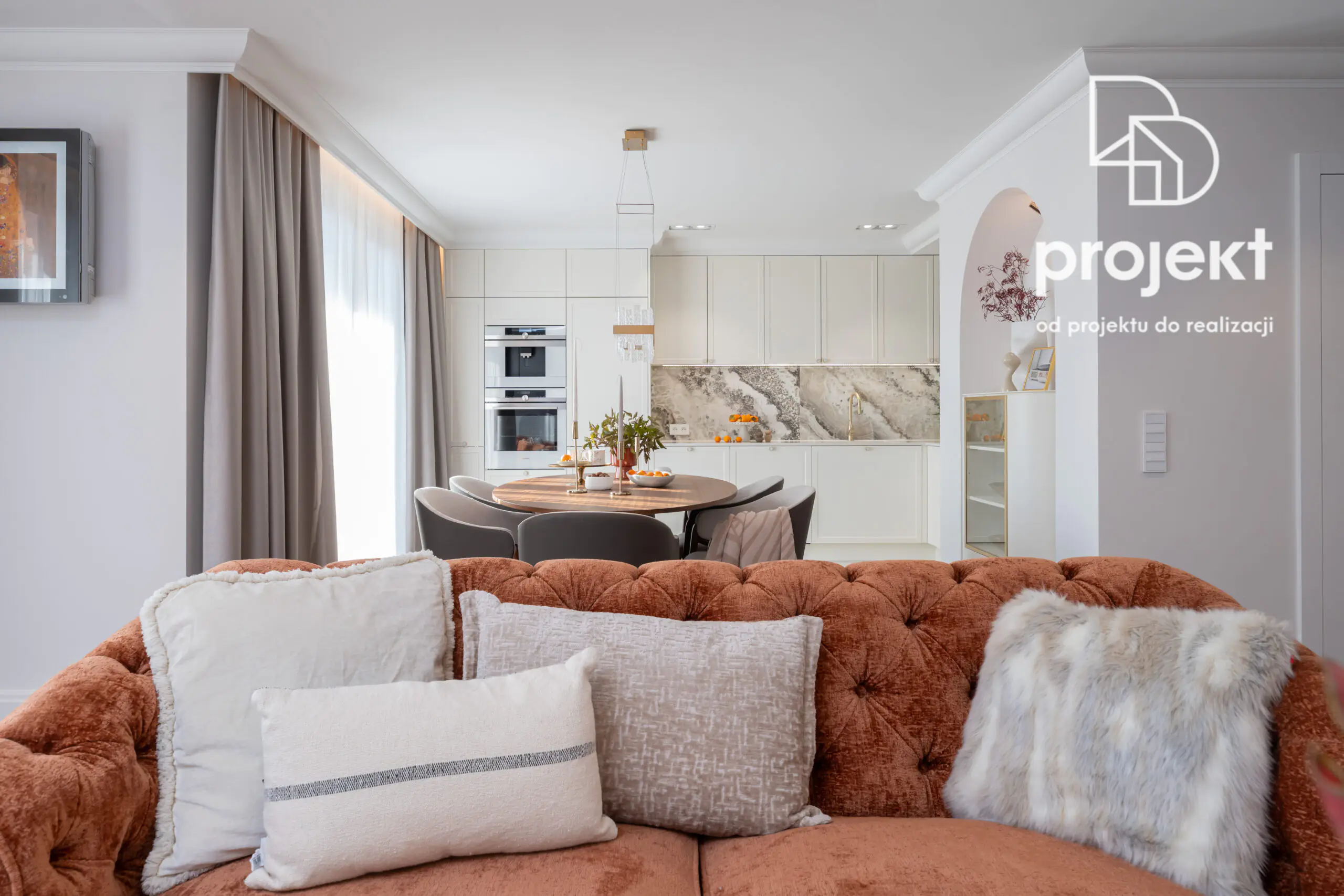
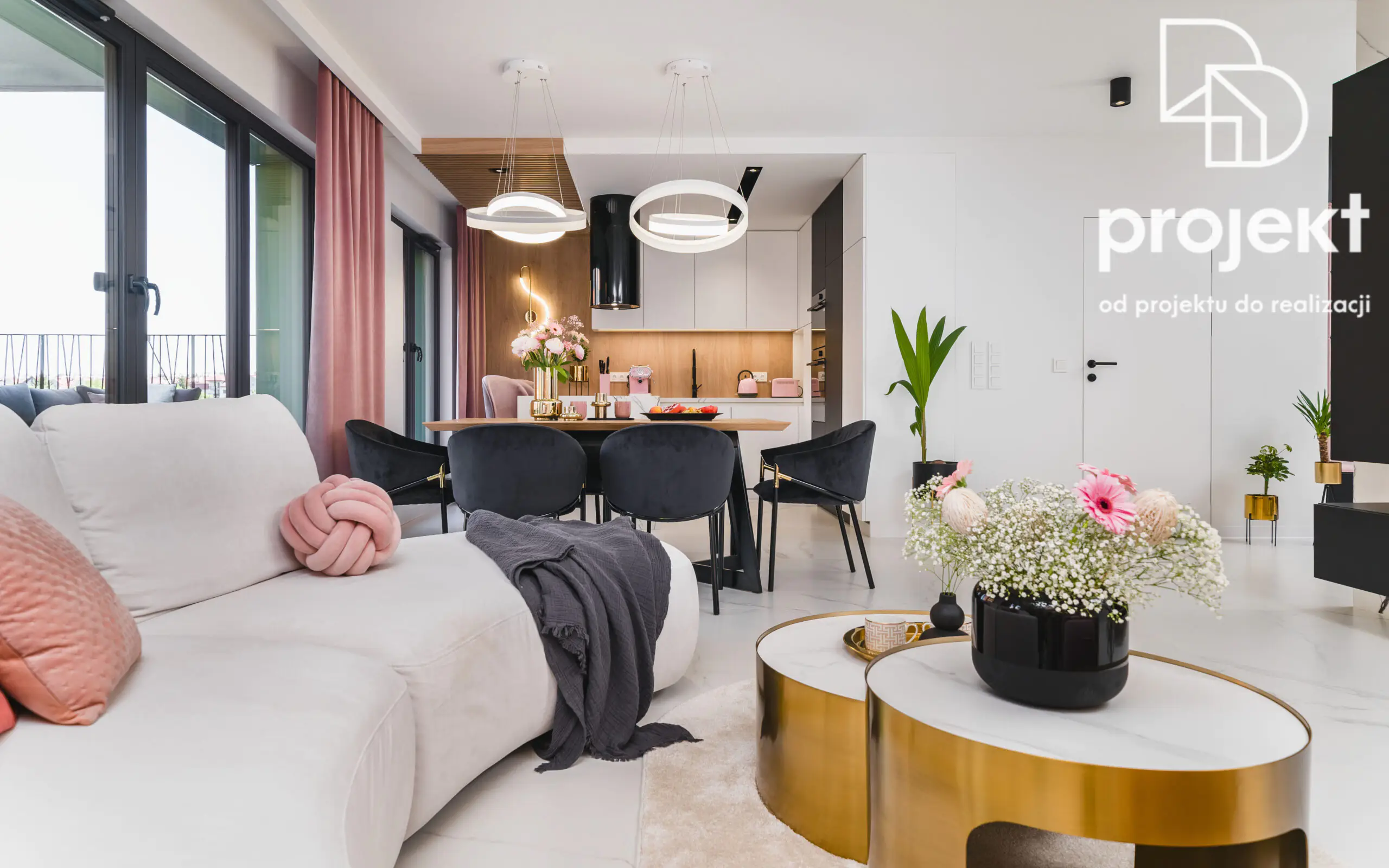
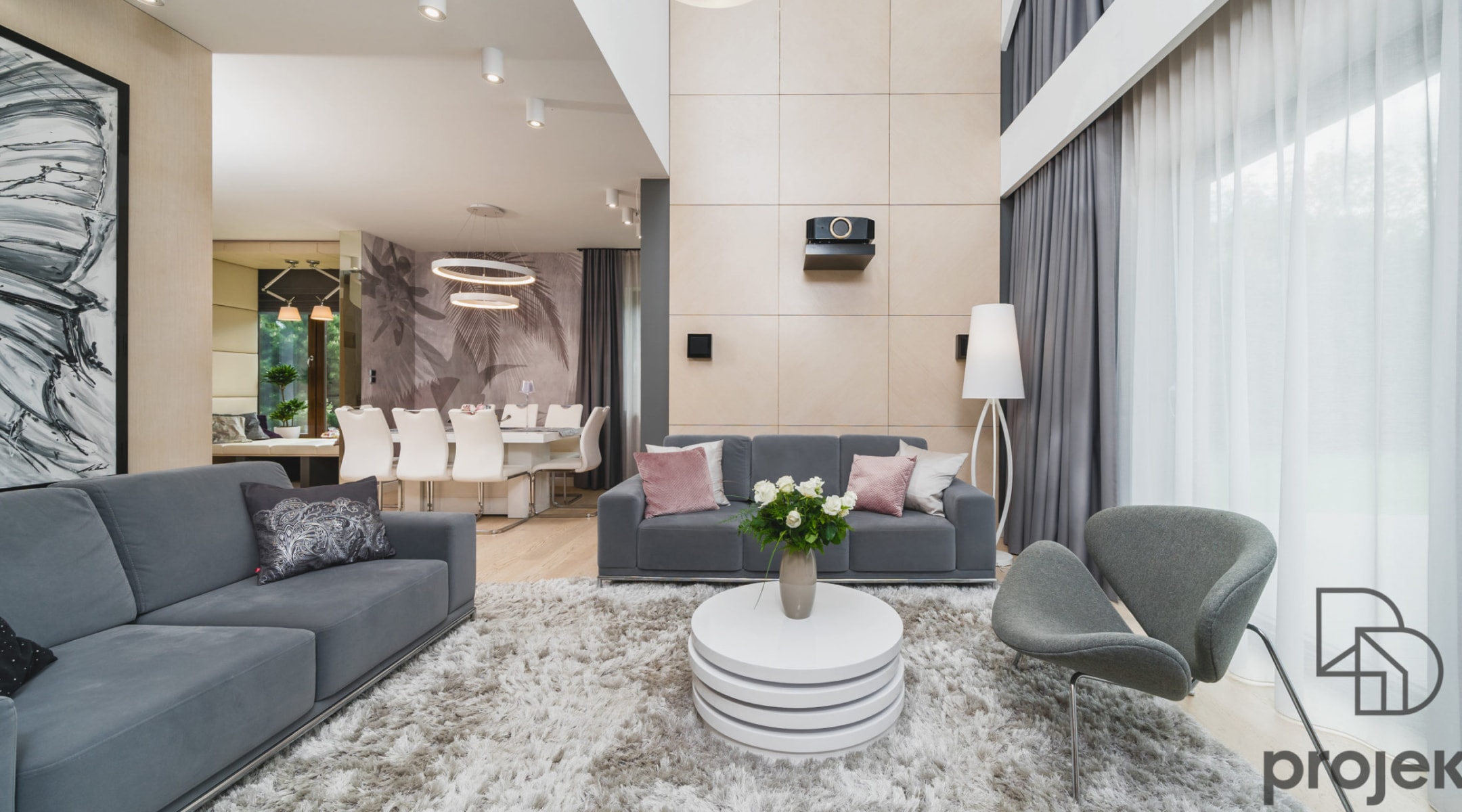
An open-plan kitchen with living room means there is no wall separating the working area from the lounge and dining area. Instead of several small rooms, a single, larger space is created where family and social life intertwine.
Until just a few decades ago, the kitchen was closed off - treated as the back of the house, where dishes were prepared away from guests. Today, it is often the heart of the home, a place to meet, talk and spend time together.
Why this change? Primarily from the need for greater functionality. The absence of walls makes the interiors appear lighter and more spacious. Combining the kitchen with the living room makes it easier for people in the household to interact with each other - while you're cooking, you can still participate in the conversation at the table or catch a glimpse of the children playing.
Advantages and disadvantages of an open kitchen - from a practical point of view
Combining the kitchen with the living room is a solution that is convenient and functional for some, but can be a source of problems for others. That's why it's a good idea to take a look at the pros and cons before starting the project.
Advantages of an open kitchen
- impression of more space - particularly important in small flats,
- better communication within the family - someone is cooking and next door the children are playing in the living area,
- creating a focal point of the interior - e.g. a kitchen island that combines the function of a dining area and workspace,
- more natural light - the absence of partition walls allows light into the room.
Disadvantages of an open kitchen:
- cooking odours transfer to the living room, even with good ventilation,
- the noise of running appliances - the noise of appliances, e.g. the coffee machine, hood or dishwasher, can be a nuisance to household members,
- it is harder to hide the mess - the open zone exposes pots and pans,
- lack of individuality - if one wants to rest in silence, this can sometimes be difficult.
As you can see, each concept has its strengths and potential drawbacks. Therefore, instead of being guided by fashion, it is better to consider whether it is the ideal solution for your lifestyle.
Read also:
Open space in different building types - what can and cannot be done?
The design possibilities depend not only on the lifestyle, but also on the building itself. What works in a new development flat will not always be possible in an old townhouse. Let's look at different scenarios.
Developer's flat (new construction)
This is where an open-plan kitchen works well. The layouts of new flats are usually planned with a combination of living room and dining room in mind. It is easy to find space for a table or an island, and ergonomics do not pose any major problems.
Single-family house
At home, the possibilities are even greater - space, additional windows, access to the terrace. The architect can suggest a kitchen open to the garden or a semi-open solution with large sliding doors. This is ideal to bring harmony between the kitchen and the lounge area.
Old tenement house or block of flats
In the case of old townhouses or blocks of flats, the matter is more complicated. Load-bearing walls or a lack of adequate ventilation can make it difficult to open up the kitchen. This often requires consultation with a builder, but if these obstacles can be overcome, the effect can be exceptional - high ceilings, brick walls and modern furniture can create a unique combination of styles.
Lifestyle and square footage - when is an open kitchen a good choice?
The design of an open-plan kitchen should not be a copy from a catalogue. It's a decision that depends on your daily habits, the number of household members and the size of your home. The largest space will not always be the most comfortable - it is the organisation that counts.
- Family with children - The open kitchen makes it easier to keep an eye on the little ones while cooking, while allowing you to take part in family conversations and daily activities.
- Singles and couples - the open space is conducive to socialising, allowing conversations to take place while meals are being prepared
- Small flats (less than 40 m²) - Removing walls can completely transform interiors, with the living room and kitchen becoming the heart of the home.
- Larger areas (over 70 m²) - The open space allows for the separation of additional zones: library, kitchen island, separate dining room.
What does an experienced interior designer look for when designing an open kitchen?
Designing an open-plan kitchen with living room is not just about drawing pretty visuals. An interior architect analyses the functionality, acoustics and ergonomics that later influence the daily use of the room.
When designing an open-plan kitchen, the architect does not just focus on the visual aspect. Ergonomics is important, i.e. the so-called work triangle - the sink, hob and fridge must be positioned in a logical order. Light - both natural and artificial - is equally important. Often this lighting becomes a zoning tool: another over the table, another over the island, another in the seating area.
Ventilation and acoustics cannot be overlooked - quiet dishwashers or modern ceiling hoods significantly improve comfort. The architect also plans for storage space - a pantry, tall cabinets or built-in appliances help to hide clutter and make cleaning easier. The choice of materials, from flooring to furniture, influences the durability and aesthetics of the entire space.
How does DD Projekt approach the open-plan living area as part of the overall interior?
Each project requires a broader view - It is impossible to design an open-plan kitchen in isolation from the rest of the home. It is the heart of the home, influencing the layout and atmosphere of all the interiors, and its character should be matched not only to the square footage but also to the tastes of the household members.
At DD Projekt, we treat the open-plan kitchen with living room not as a fashion accessory, but as a focal point for organising home life. It is the representative room and also the most frequently used part of the flat. This is why projects are always created in the context of the entire layout - from the front door, through the living area to the bedrooms. This allows us to point out the advantages of both solutions - open and closed kitchens - and select the most functional variant for our customers.
Every solution - whether it's the choice of furniture, cabinet fronts or tiles - must be in harmony with the whole. Architects analyse not only the appearance, but also the practicality. Sometimes additional soundproofing elements or a better ventilation system are necessary so that an open-plan kitchen is not a nuisance in everyday use.
With this approach The kitchen, open with the living room, becomes an integral part of the interior. This ensures consistency of style, functionality and proportions that work for years to come. If you're wondering what the design process is like with us - feel free to get in touch.
Open-plan kitchen - a conscious choice, not a passing trend
To conclude, one thing is worth emphasising - an open kitchen with a living room is a popular solution, but one that requires a good plan. It won't always work in every flat or house, but if well designed, it can completely change the character of a space.
A well-planned open-plan kitchen can be beautiful and comfortable, with the table in the centre becoming a place to meet and cook together.
If you're wondering which solution suits your space, it's worth considering working with an architect to consider both technology and aesthetics.