At what height to plan windows in a detached house? Practical guide

When designing a house, it is easy to focus on the square footage or the layout of the rooms and forget about the details that affect everyday comfort. One of these is the height of the windows. The amount of light in the living room, the comfort of the kitchen or the possibility to place furniture depends on it. It is therefore useful to know at what height windows should be placed in a detached house.

What does the height of the windows in a detached house depend on?

Already at the design stage of a house, the question arises: at what height should windows be installed to make them comfortable for everyday use? The answer is not universal, as their location depends on many factors, which are worth thinking about from the very beginning.

  • Room function - In the living room, windows are often placed lower to open up a view of the garden. In the kitchen or bathroom, on the other hand, a window that is set too low will make it difficult to position countertops and cabinets.
  • Type of window - Large terrace or balcony glazings should be proportional to the door and the entire wall. With roof windows, the angle of the roof is also important, which determines their final position.
  • Technical conditions - The thickness of the floor, the layers of insulation and the method of heating influence the installation level. With a radiator, the window sill sits higher, while underfloor heating allows the window to be lowered and lets in more light.
  • Furniture layout - Poorly chosen height can make the arrangement difficult. A sofa or table placed just below the window can block the window's opening possibilities, so it is worth relating the position of the furniture to the planned development.
  • Storey - On the lower floors of the building, windows should illuminate the rooms and at the same time provide a sense of security.

And do window dimensions matter here? Definitely yes - the proportions and size of the windows affect the amount of daylight, the appearance of the façade and the functionality of the interior. The wrong width or height can disrupt the harmony of the façade and make everyday use difficult.

No rush, no chaos, no million decisions at once. We will design, build and finish your home just the way you need it.

Typical installation heights of windows (indicative working values)

Typical window installation heights (the height of the window from the floor) depend on the function of the room and how you want to use the space. In the kitchen or bedroom, the sill of a traditional window is usually placed at a height of 85-100. This is convenient, as a radiator, worktop or desk can fit under the window.

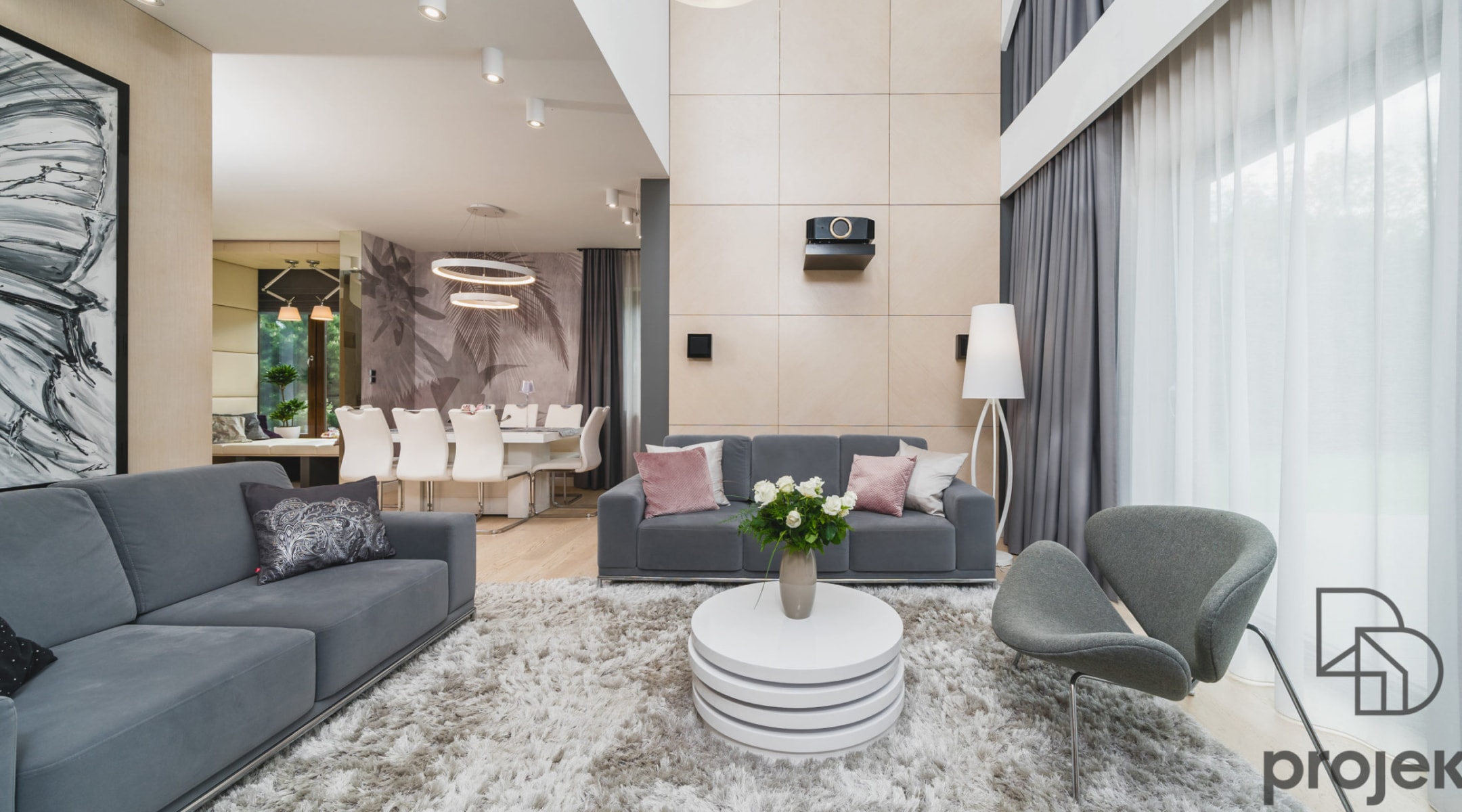
Balcony, terrace or HST windows work better in living rooms. Their bottom edge starts as low as 20-30 cm above the floor, and in threshold-free systems even from 0 cm. This opens up the interior to the garden or terrace and lets in maximum light.

In contrast, small windows mounted higher are used in bathrooms and technical rooms. The lower edge is usually at a level of 120-140 cm and the upper edge reaches 180-200 cm. This arrangement maintains privacy while allowing light to enter.

When choosing the height, it is worth bearing in mind that low floor-to-ceiling windows work well in daytime areas, and higher windows where intimacy is important.

The most common investor mistakes (and how to avoid them)

One common problem is the wrong installation height of windows. A bedroom window that is set too low results in a lack of privacy, because the bottom edge falls exactly at the eye level of a passer-by.

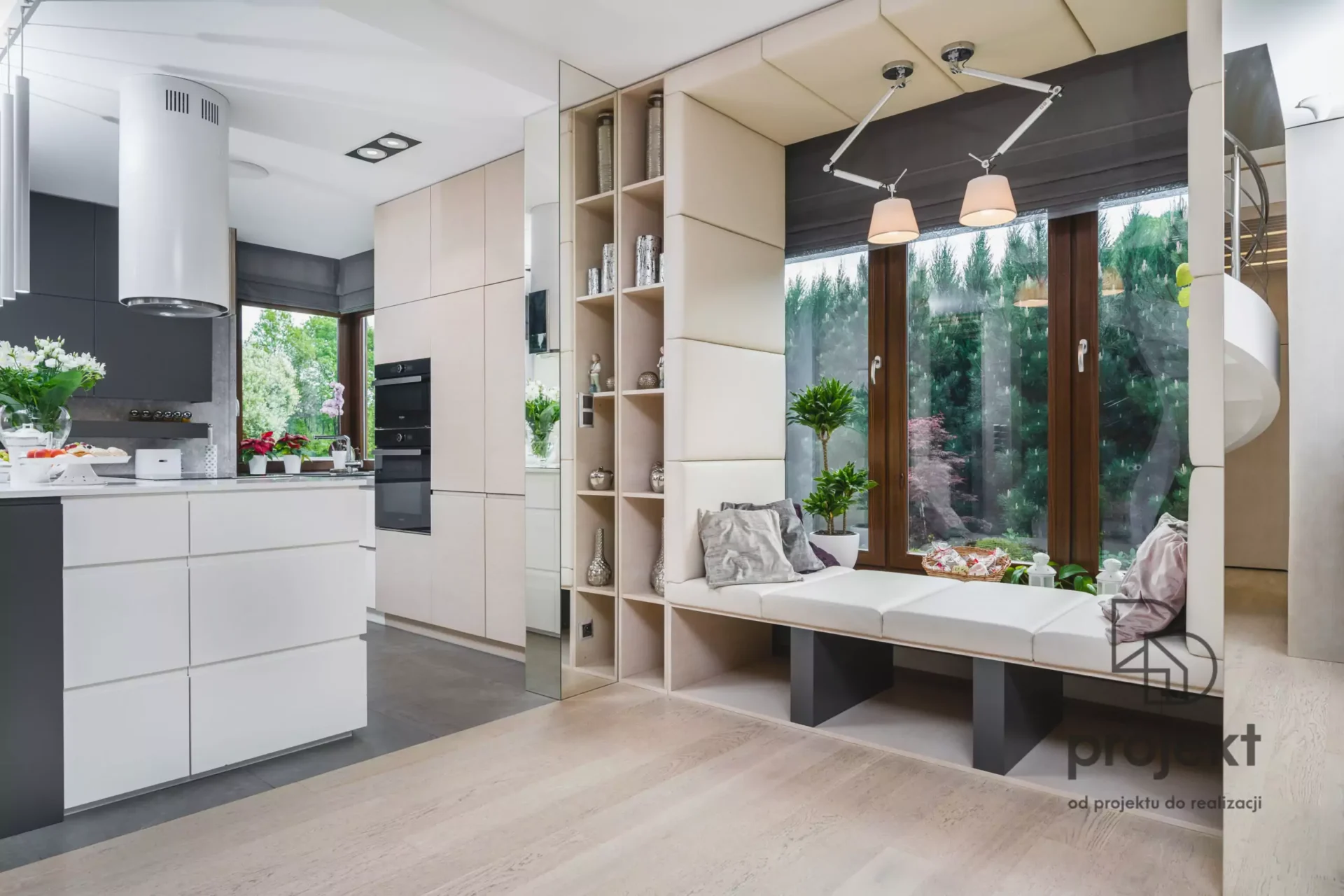
In the kitchen, trouble arises when the design does not take into account the built-ins. The window can clash with the upper cabinets or not match the height of the worktop, making it difficult to position the radiator or make practical use of the space.

Large windows installed in the living room or study are equally problematic. If they are above a desk or sofa, you easily lose access to natural light and the interior becomes darker than intended.

Such mistakes can be eliminated at the design stage - just think carefully about the placement of the windows and match them to the function of the room.

What to look for before determining the height of the windows?

Before installing window frames, it is worthwhile to analyse both building regulations and practical issues related to everyday use. Regulations specify, among other things, the minimum distance of the window from the floor or the plot boundary, as well as the requirements for balustrades for glazing located on floors.

Equally important are design considerations. In the living room, wide glass windows look great, opening up the interior to the garden and letting in lots of natural light. In a spacious bathroom, on the other hand, you can opt for a larger window that provides optimal light and ventilation. In smaller bathrooms or kitchens, windows of a more modest size, which fit easily into the building, are more suitable.

It is also worth paying attention to where the top edge of the inner sill will be located - this determines whether a radiator, a worktop or a desk will fit under the window, making it easier to adjust the furniture later on.

At the design stage, the height of the storey and the overall interior design are also important. This will help avoid clashes with furnishings, and glazing will bring the right amount of light into the house. For large glazings, it is advisable to choose heavy-duty glazing to increase security and resist mechanical damage.

Sometimes it is also a good idea to reach for unusual solutions - corner glazing, panoramic windows or skylights - which will emphasise the character of the building and further improve the functionality of the space.

Window height is not a detail

At DD Projekt, we don't look at a house as a collection of random elements. Every detail - from the foundations to the finishes - forms a coherent whole. That's why deciding at what height to install windows is always part of a wider project.

Already at the concept stage, we analyse the standard window area, as well as the needs arising from the type of room. We take a different approach to the living room and a different one to the kitchen, where we need to take into account the height of the worktop or the positioning of fittings. It is also important to consider the required height of the entire storey when planning - this determines the proportions of the glazing and the comfort of use.

We make sure that the installation height matches the function of the interior and emphasises the aesthetics of the building. Sometimes we use classic solutions - a standard height of a few dozen centimetres from the floor indicated above the window sill, and sometimes we opt for modern glazing that reaches all the way to the floor to ensure optimum illumination.

We treat each project comprehensively:

  • The height and positioning of the windows are analysed as early as the building design stage,
  • we plan them together with the layout of the furniture, lighting and installations,
  • we adapt to the height of the rooms, the functions, the views and the needs of the occupants,
  • we coordinate with contractors to avoid surprises in practice.

In this way, the builder does not wonder during the construction process whether a window will interfere with a piece of furniture, nor does he correct mistakes „after time”. Everything works and looks as planned.

Are you planning a house and are intimidated by the amount of analysis involved? Outsource the whole thing to DD Projekt - we will design and build your home from A to Z, taking care of proportions, aesthetics and everyday comfort.

Request a quote